How To Care For Baby Teeth
Caring for baby teeth is a critical step in ensuring a child’s long-term oral health and the proper development of their permanent teeth.
This article provides essential guidance on when to begin brushing, the correct use of fluoride toothpaste for different age groups, tips for making dental hygiene a positive experience for toddlers and the importance of early dental visits.
Learning how to care for baby teeth is so important for your baby or toddler’s oral well-being and will lay the groundwork for a lifetime of healthy smiles.
Key Points
- Oral Hygiene Before Teeth Appear
- When is Baby’s First Dental Appointment?
- Choosing the Right Toothbrush and Toothpaste
- Brushing Teeth
- Diet Guide for Better Oral Health
- Proper Use of Sippy Cups
- Thumb-Sucking and Pacifiers
- Teething and Discomfort
- When Do Kids Start Regular Dental Check-Ups?
- Being a Role Model
Oral Hygiene Before Teeth Appear
Get going with oral hygiene even before the first signs of any teeth. Gently wipe your baby’s gums with a clean, damp cloth after each feeding.
When is Baby’s First Dental Appointment?
You should schedule your baby’s first dental visit around their first birthday or as soon as their first tooth emerges, whichever occurs first. Refer to our teething chart if you’re uncertain.
Choosing the Right Toothbrush and Toothpaste
- Opt for a soft, smaller size toothbrush to effectively clean your child’s teeth.
- Avoid using toothpaste until 18 months of age, as recommended by the Australian Dental Association.
- Between 18 months and 3 years old, introduce a rice grain-sized quantity of low-fluoride toothpaste. For ages 3 to 6, a slightly larger, pea-sized amount is suitable.
- Use reduced fluoride toothpaste, commonly known as children’s toothpaste.
Brushing Teeth
Gently and thoroughly brush your child’s teeth a minimum of two times daily – once in the morning and once before bedtime.
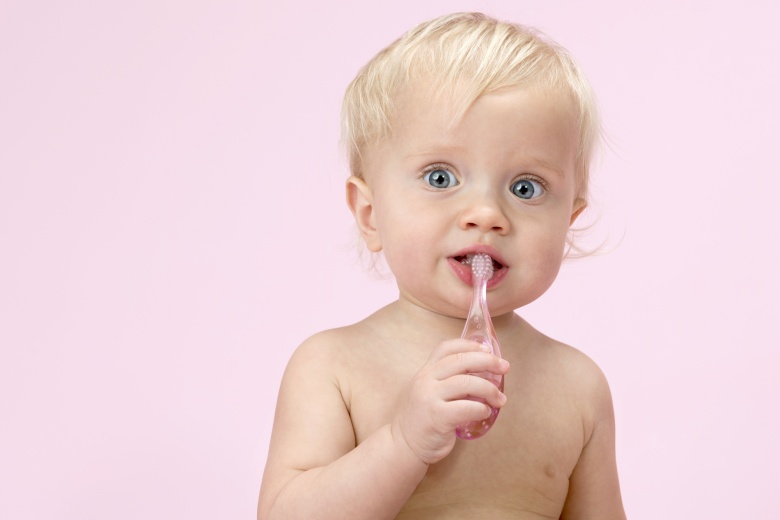
When it becomes possible, encourage them to try brushing themselves while you watch. Help and guide them until they are doing well. Keep a close eye on the process until they can independently brush their teeth properly. Here are some tips for brushing baby’s teeth.
Diet Guide for Better Oral Health
- Restrict all sweet foods and sugary drinks, including fruit juices.
- Protect your child by checking the sugar content of items you buy.
- Reduce processed foods.
- Maintain a balanced diet that includes fruits, vegetables, and dairy products.
Proper Use of Sippy Cups
Minimise the use of sippy cups with sugary beverages. Provide water between meals from an early age so that it becomes the norm.
Thumb-Sucking and Pacifiers
It’s best to discourage these habits from around the age of 1 to help avert dental problems.
Teething and Discomfort
When baby is teething, offer a teething ring or chilled, clean washcloths to alleviate discomfort.
When Do Kids Start Regular Dental Check-Ups?
Children should begin regular dental check-ups and professional cleaning every six months starting from the age of one, or once their first tooth has erupted. This will reinforce the good oral hygiene habits you are doing at home and catch any issues. Avon Valley Dental is a trusted kids dentist in Northam.
Being a Role Model
Consistently reminding your little one about the importance of brushing teeth and eating healthy food is so important. Leading by example and establishing these habits early on usually works well over the long term.
Avon Valley Dental Centre
Prioritising our baby or toddler’s oral health is one way we can help our children get a good headstart in life.
We’re dedicated to assisting you on this journey and are always available for support, questions, or dental check-ups.
Schedule an appointment easily, either by booking online or contacting us. Visit our dental clinic at 59 Duke Street, Northam WA 6401.